logo
|
Log In
LeadArise

Sign up to stay in touch with us

Contact
Data PrivacyImprintTerms And Conditions
Visit our LinkedIn pageVisit our Instagram page

© leadarise, 2026

Data PrivacyImprintTerms And Conditions

© leadarise, 2026

Visit our LinkedIn pageVisit our Instagram page
Data PrivacyImprintTerms And Conditions
  1. Home
  2. Leadership Insights

Leadership Insights

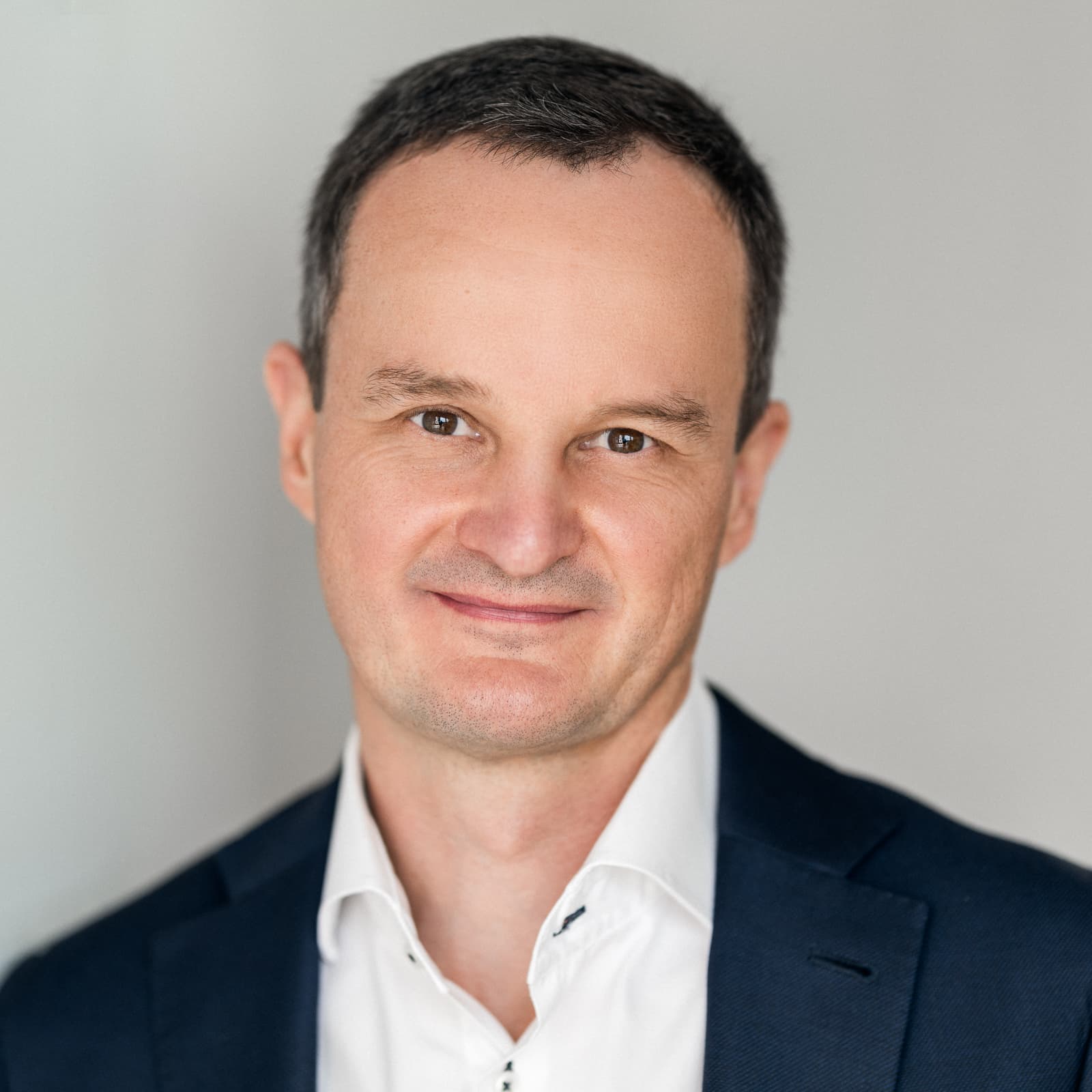
What Leaders can learn from Start-Ups

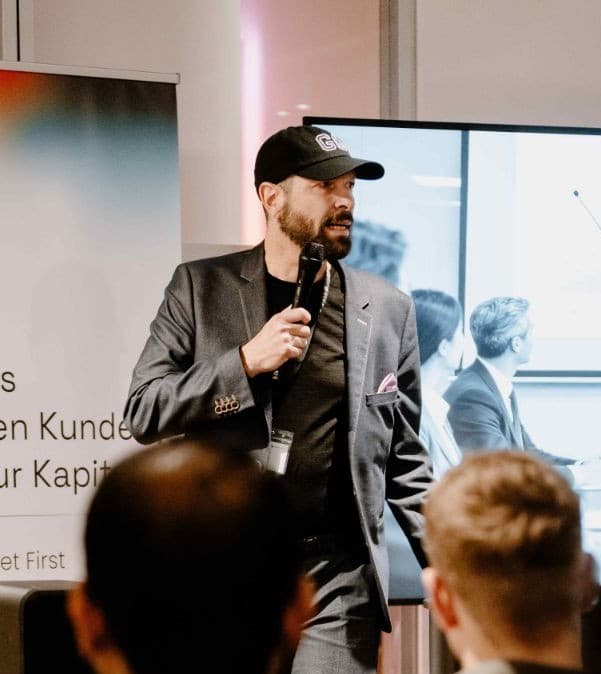
Georg Fischer

What truly connects founders and executives - beyond roles, titles, and organizational logic? More than one might assume at first glance.

In this conversation with Georg Fischer, we discuss innovation, leadership, and the human side of change. We explore why good ideas often fail not because of technology, but because of execution. Why real innovation has less to do with tools than with mindset. And why founders and executives may have far more to learn from one another than either side realizes.

Drawing on experience across corporate environments, Start-Up coaching, and innovation work, this conversation examines courage, clarity, execution, and what makes progress sustainable from a human perspective.

An interview about the power of good questions, about pitches as acts of trust-building, and about why the future often begins where people take responsibility.

Read more

Digital Visibility - a double edged sword

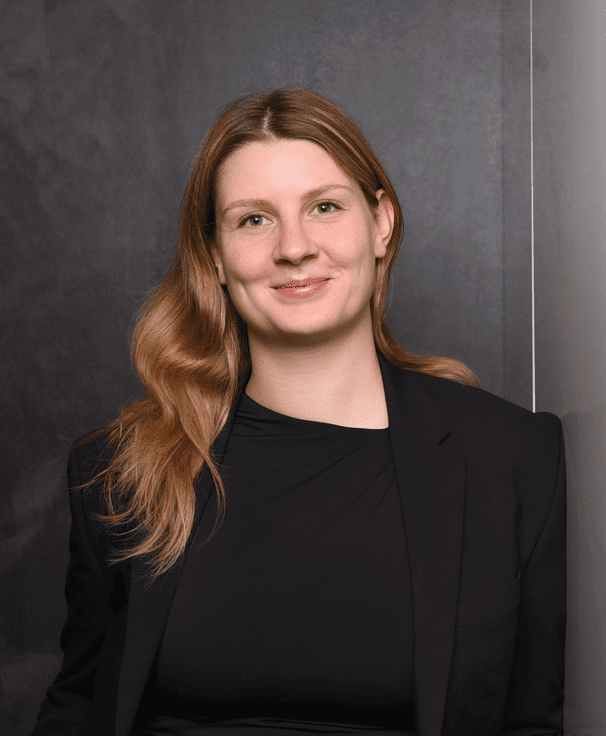
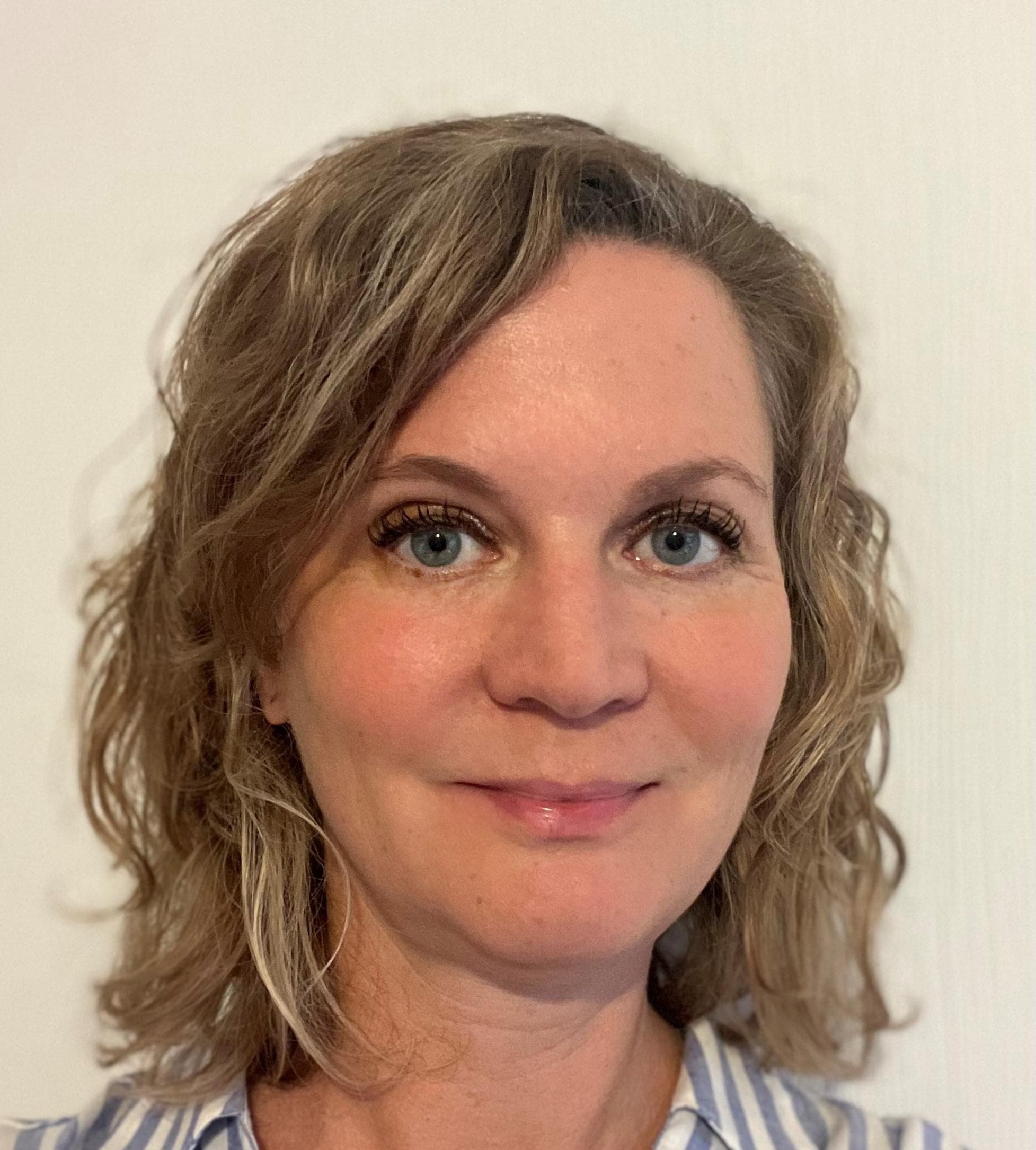
Lena-Carlotta Hartlieb

We often have detailed guidelines, processes, and protocols in place to protect our customers’ personal data and our company data from malicious attacks. But what about us as individuals?

This is especially true for people in leadership roles—whether in politics, academia, business, or even in private life as board members of organizations: Today, more than ever, we are in the public eye and leave an ever-growing digital footprint.

In the context of social media, where it’s all about likes, followers, and impressions, the pressure to be seen is mounting. This also comes with an obligation to draw a clear line for oneself regarding which data is considered private and should under no circumstances be made public.

Today, I’m speaking with Lena-Carlotta Hartlieb, a criminologist and security consultant specializing in OSINT analysis, about precisely this pressure. She outlines clear strategies that help navigate the balance between digital visibility and privacy protection.


Read more

More workplaces people actually like

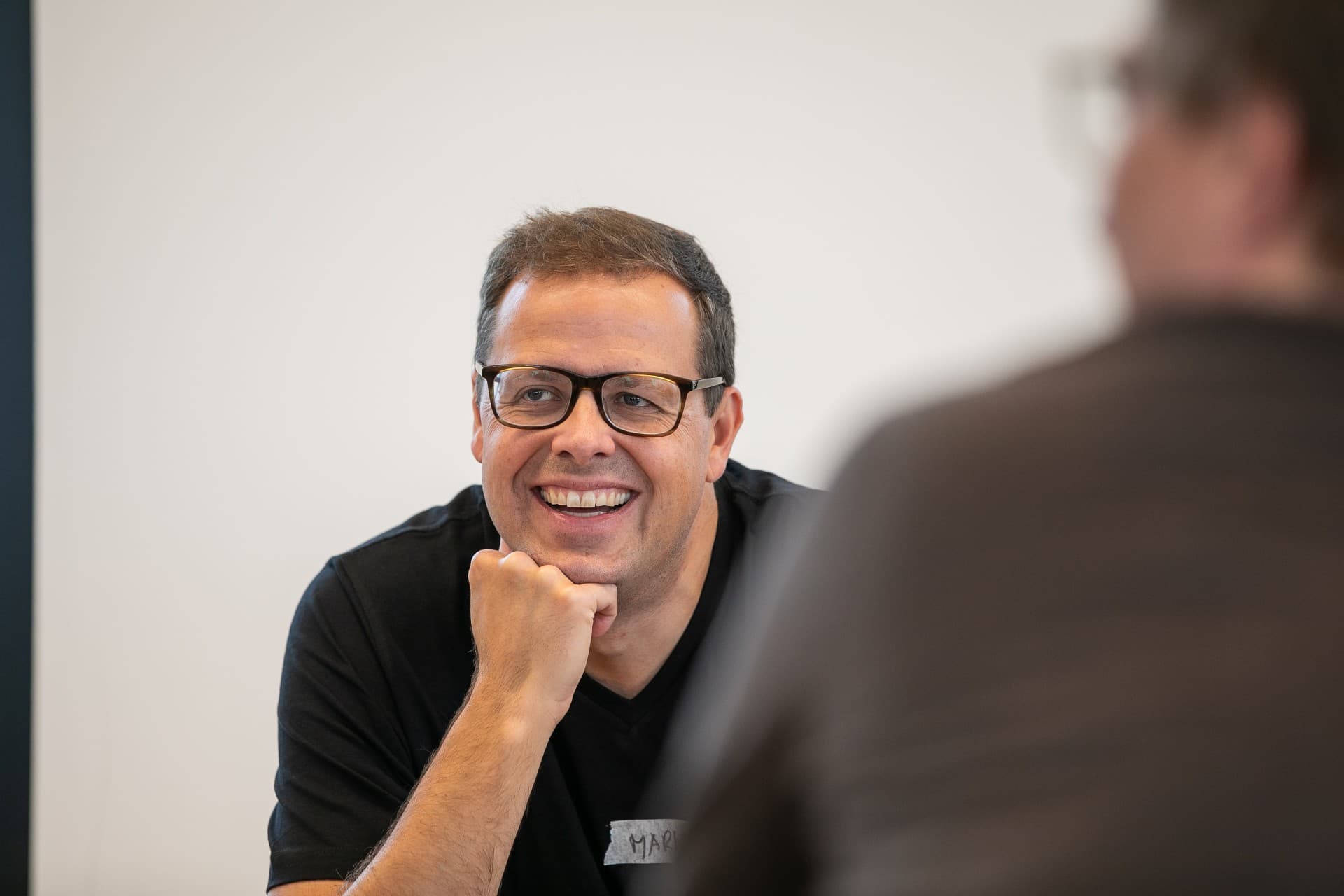
Markus Hanauer

In this conversation, Markus Hanauer, founder and entrepreneur, explains why he initiated an open Culture Camp for leaders and anyone interested in the topic, why a healthy workplace culture is not a “nice-to-have,” and what responsibility entrepreneurs truly carry.

We talk about concrete leadership practices instead of buzzwords, about economic reality rather than feel-good rhetoric and about the belief that creating better workplaces can start small yet still have a major impact.

Read more

Leadership beyond words

Andine Pfrepper

What makes a person a leader, before they have even spoken a single word? Some people enter a room and something shifts. The atmosphere, the attention the focus. Not loud, not dominant, yet unmistakably present.

Actors are deeply familiar with this phenomenon, as they work attentively with presence, body, voice, and inner attitude.

As an actress, Andine brings this distinctive perspective, often described in literature as embodiment.

So, what can leaders learn from actors when it comes to the proverbial embodiment of leadership? That is what I discuss today with Andine Pfrepper.

Read more

Spaces fostering headspace

Jutta Herzog & Matthias zur Bonsen

Leaders spend a large portion of their time in meetings, workshops, and strategy sessions. Often in environments that are functional but rarely conducive to truly productive thinking. But what if the setting itself could noticeably influence the quality of conversations, decisions, and ideas?

This is precisely what Jutta Herzog and Matthias zur Bonsen focus on. They design environments and formats that bring people into a state where concentrated, creative, and clear thinking becomes possible and where they can let go of everyday operational demands. Their ambition goes beyond traditional workshop settings. They aim to create both external and internal spaces in which teams gain access to new ideas, work constructively together, and enter a productive yet relaxed atmosphere.

In this interview, we explore how such spaces are created, why they are crucial for leadership today, and how they transform collaboration and decision quality.

Read more

Glass-Clear IT Instead of a Black Box

Stephan Gemm

In many German companies, quality has evolved over decades into a central principle of success: precise, error-free, thought through to the last detail. What is indispensable in production has gradually been transferred to almost all other areas: decision-making, processes, communication, and innovation.

In a world where speed, adaptability, and the ability to learn are critical, these very strengths are increasingly under pressure.

“Done is better than perfect” challenges a culture that has learned to let go only once everything is right and for that very reason often struggles to act differently.

Today, I explore this tension with Stephan Gemm, CIO of ElringKlinger AG. He is convinced that successful teams and projects can and must be expected to tolerate more transparency and imperfection.

Read more

Balancing compliance and honesty. Why effective change communication requires attitude, clarity, and active listening.

Verena Bachmann

Verena worked in a large corporate environment. A common experience in leadership is change processes imposed “from the top” and then executed by leaders: reorganizations, new structures, new roles.

As leaders, we were always at the centre of the storm. How do I communicate what, when, and to whom? What if something has already leaked into the team? Do I lose personal credibility if I hide behind corporate communication guidelines — or do I make myself vulnerable if I don’t?

Once again, communication proves to be key. Verena knows all sides of this equation: that of a leader, that of an employee directly affected by a reorganization, and that of an internal communication manager responsible for developing change communication.

Read more

Investing in people in times of crisis, because it is the stories we write together that unite us.

Rainer Wittwen

Effective leadership is built not only on clear structures, but above all on genuine human encounters. Especially at a time when collaboration is becoming increasingly digital, regular in-person gatherings are regaining special importance.

In the following interview, I speak with Rainer Wittwen, CEO of cbs Corporate Business Solutions Unternehmensberatung GmbH, about why this form of collective storytelling is a leadership capability.

Read more

Principles Over Rules - Team Autonomy or Maximum Control by Leadership?

Nina Schubert

In many organizations, leadership and governance are still strongly based on rules: they create clarity, enable control, and are particularly suitable for repetitive tasks. However, our working world is becoming more complex, dynamic, and less predictable.

What was previously governed by rules increasingly requires principles today – principles provide orientation, foster autonomy, and support people in acting responsibly even in complex situations.

Some companies have already recognized this shift and are deliberately taking the step from rule-based to principle-oriented leadership – mediaman being one of them.

I am very pleased to be able to interview its Managing Director, Nina Schubert, about this journey today.

Read more