Prinzipien über Regeln
Autonomie der Teams oder maximale Kontrolle für die Führung?
Die alten Regeln und Kontroll-Mechanismen lässt sich die jüngere Generation nicht mehr gefallen.
In vielen Organisationen basieren Führung und Steuerung noch immer stark auf Regeln: Sie schaffen Klarheit, ermöglichen Kontrolle und eignen sich besonders für wiederholbare Aufgaben. Doch unsere Arbeitswelt wird komplexer, dynamischer und weniger vorhersehbar.
Was bisher über Regeln gesteuert wurde, braucht heute zunehmend Prinzipien – sie schaffen Orientierung, fördern Autonomie und unterstützen Menschen dabei, auch in komplexen Situationen eigenverantwortlich zu handeln.
Einige Unternehmen haben diesen Wandel bereits erkannt und wagen bewusst den Schritt von der regelbasierten zur prinzipienorientierten Führung – so auch die Firma mediaman.
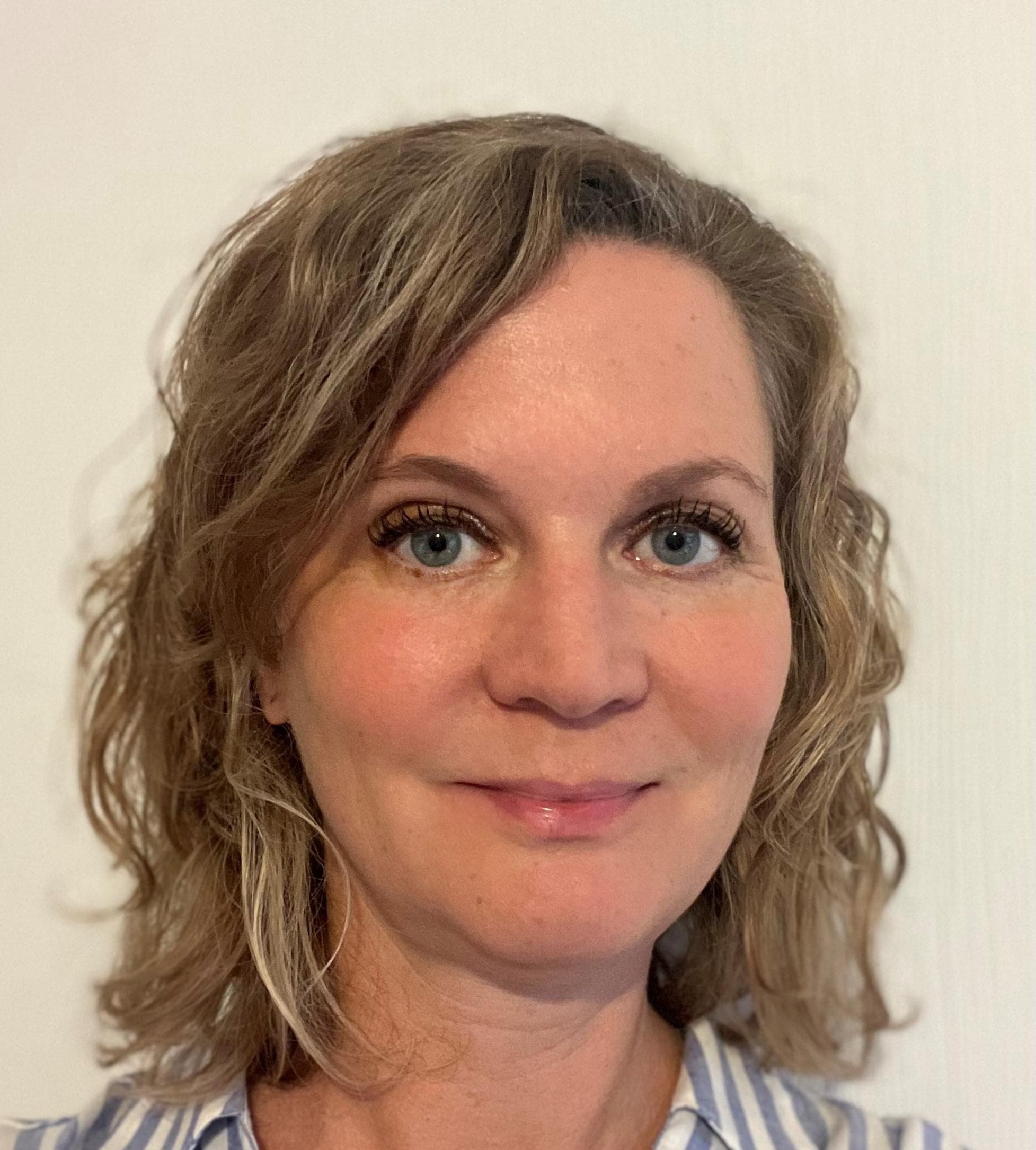
Ich freue mich sehr, heute ihre Geschäftsführerin Nina Schubert zu diesem Weg interviewen zu dürfen.
Ihr habt bei euch im Rahmen einer Transformation vom klassischen Management zu selbstorgnisierten Kunden-Teams unter anderem auch Prinzipien eingeführt. Wozu?
Um selbstorganisierte Teams bauen zu können und denen entsprechende Verantwortung geben zu können haben wir Rahmenbedingungen und Prinzipien geschaffen.
Das brauchte es, um Klarheit darüber zu haben, welche Aufgaben und Befugnisse in der Geschäftsleitung und dem Management verankert sind und über welche die Teams selbst entscheiden.
Kannst du ein Beispiel nennen?
Zum Beispiel „Pull vor Push“.
Bedeutet jede und jeder ist für sich und seinen Beitrag zum Gesamterfolg selbst verantwortlich und holt sich dafür was er braucht.
Dies wirkt sich bei uns auch auf Weiterbildungen aus. Hier nutzen Mitarbeitenden einfach den jährlichen Team-Topf und können frei entscheiden, welche Weiterbildungsmaßnahme sie nun benötigen um sich selbst weiterzuentwickeln aber auch auf die Wertschöpfung von mediaman einzuzahlen. Ein weiteres Prinzip bezieht sich beispielsweise auf den Arbeitsort, der frei gewählt werden kann mit gewissen Rahmenbedingungen.
Und das in „Back to Office“-Zeiten. Gilt das Prinzip „Du kannst arbeiten wo du möchtests“ uneingeschränkt?
Wir haben da tatsächlich weitergehende Rahmenbedingungen definiert und vereinbart.
Das Prinzip mag ich besonders es heißt: Die Aufgabe entscheidet. Je strategischer ein Meeting, je unsicherer oder je jünger die Zusammenarbeit, je emotionaler und/oder persönlicher das Thema, desto mehr vor Ort. Über alles andere kann das Team selbst entscheiden. Ob und wie oft es sich vor Ort, hybrid, oder remote trifft.
Ist da nicht Uneinigkeit vorprogrammiert? Wie entscheidet ein Team so etwas?
Unter der Einbeziehung aller Teammitglieder, allerdings nicht mit einem einfachen Mehrheitsentscheid, sondern die Teams handeln das miteinander aus.
Ich kann mir vorstellen, dass Teams unterschiedliche Reifegrade haben. Wie gleicht ihr das aus?
Grundsätzlich haben wir dafür Moderatoren und tolle Mitarbeiterinnen im Bereich „People & Culture“.
Sollte ein Team konkret Hilfe brauchen beim Herbeiführen einer Entscheidung, dann haben sie dort eine Anlaufstelle.
Dabei war uns wichtig die verschiedenen Entscheidungsprozess-Möglichkeiten intensiv zu schulen. Wir haben sogar Kärtchen mit Entscheidungsmöglichkeiten, um das zu verankern. Denn es gibt ja mehr als eine Möglichkeiten für eine Entscheidungsfindung. Konsens, Decision Poker, Top-Down, Widerstandsabfrage, ... um mal ein paar zu nennen.
Ging das von Anfang an gut auf?
Nein, zu Beginn gab es häufig Situation, in denen mich jemand gefragt hat: 'Sag mal Nina, wann willst du denn hier mal eine Entscheidung treffen?' oder 'Sag dochmal, wie wir das machen sollen.'
Habt ihr nun überhaupt keine Regeln mehr?
Wir haben vor allem noch eine feste Regel. Und die bezieht sich auf unser Agentur-Abrechnungsmodell.
Jedes Teammitglied muss also wöchentlich Zeiten erfassen, was auch montags nachgeprüft wird. Diese Regel ist unverhandelbar.
Was passiert, wenn sich da jemand nicht dran hält?
Da würde dann im Zweifelsfall auch eine eMail von der Geschäftsleitung kommen.
Nun ist ja die Einführung der selbstorganisierten Teams bei euch bereits 5 Jahre her. Was würdest du sagen, was hat sich für die Einzelnen und die Teams dadurch verändert?
Dass Menschen das Gefühl haben wirklich etwas bewirken zu können. Inhaltlich, aber auch strategisch und für den Kunden. Ausgerichtet an der Firmenstrategie.
Das war nämlich eines der Probleme: Die Teams sind nah am Kunden und nicht alles was das Management top-down entschieden hat, war für die einzelnen Kundenteams sinnvoll oder notwendig.
Was ist auch heute noch schwierig. Wovon hättest du geglaubt, dass es nicht so lang dauert?
Unternehmerisches Denken und das Aushandeln von Entscheidungen.
Es gibt nun keinen Vorgesetzten mehr an den ich eine Entscheidung delegieren kann. Und Transparenz über Geschäftszahlen bedeutete eben auch, dass jedes Teammitglied die Kennzahlen der eigenen Projekte gnadenlos kennt. Damit kann nicht jede/r gleich gut umgehen.
Gibt es auch Menschen in Teams, denen diese Verantwortung zu viel ist?
Ja, und das ist auch in Ordnung so.
Das wird es immer geben, dass es Menschen gibt, die gern etwas abarbeiten wollen, das andere für sie priorisiert haben. Solang das Team sich im Klaren über die unterschiedlichen Rollen im Team ist und es prinzipiell rollen-divers aufgestellt ist, ist das alles ok.
Was würdest du rückblickend auf die vergangenen 5 Jahre aus heutiger Sicht anders machen?
Ich würde mich viel mehr mit den Rollen im Team beschäftigen. Da hatten wir viel Verunsicherung auf den Entscheidungswegen, somit mussten wir da viel nachbessern und etliche Rollenworkshops machen.
Worauf ich keine Antwort habe: Wie können wir Transparenz über Geschäftszahlen schaffen ohne dass Menschen sich angegriffen fühlen, weil bestimmte Teams oder Projekte zum Beispiel bessere oder auch schlechtere Kennzahlen liefern.
Prinzipien über Regeln – In Zeiten, wo viele zu altbekannten Führugnsstrukturen zurückkehren. Warum lohnt es sich für dich zuversichtlich zu bleiben?
Ich glaube daran, dass vor allem die jüngere Generation sich Top-Down Regeln nicht mehr gefallen lassen wird und Innovation starke Individuen braucht.
Die bekommen wir nicht, wenn wir Menschen sich nicht entfalten lassen.