Räume machen Denkräume
Warum der Raum, in dem wir arbeiten, über Klarheit, Konflikte und Entscheidungen von Teams mitentscheidet
Oft reicht es schon Büroräume mit einfachen Mitteln etwas zu "verfremden"
Führungskräfte verbringen einen Großteil ihrer Zeit in Meetings, Workshops und Strategierunden. Und das oft in einer Umgebung, die zwar funktional ist, aber selten wirklich produktives Denken fördert. Doch was wäre, wenn der Rahmen selbst die Qualität von Gesprächen, Entscheidungen und Ideen spürbar verändern könnte?
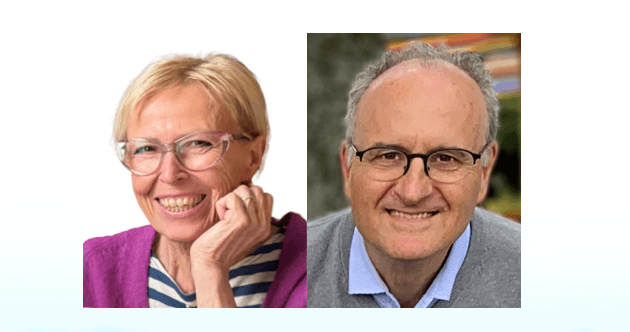
Genau damit beschäftigen sich Jutta Herzog und Matthias zur Bonsen. Sie gestalten Umgebungen und Formate, die Menschen in einen Zustand bringen, in dem konzentriertes, kreatives und klares Denken möglich wird. Und – loszulassen von den alltäglichen, operativen Aufgaben. Ihr Anspruch geht dabei über klassische Workshop-Settings hinaus. Es geht ihnen darum, äußere wie innere Räume zu schaffen, in denen Teams Zugang zu neuen Ideen finden, konstruktiv miteinander arbeiten und in eine produktive und zugleich entspannte Arbeitsatmosphäre kommen.
Wie solche Räume entstehen, warum sie für Führung heute entscheidend sind und was sich dadurch in Zusammenarbeit und Entscheidungsqualität verändert, darüber sprechen wir hier.
Warum reichen die normalen Büro-Meeting-Räume oft nicht, wenn sich Teams mit tiefergehenden Veränderungen auseinandersetzen wollen?
Normale Büro- und Meetingräume sind oft nüchtern, funktional und förmlich gestaltet. Dadurch vermitteln sie unterschwellig, dass Menschen dort vor allem ihre Rolle erfüllen sollen – und das auf eine angepasste und der Norm entsprechenden Weise. Originelle, ungewöhnliche Gedanken sind nicht gefragt. Sich mit allen Facetten zu zeigen, ist nicht gewünscht. Förmliche Räume sagen lautlos: „Pass Dich an, sei ordentlich, sei brav“.
Weil wir so sehr an die Welt der grauen Rechteck-Räume gewöhnt sind, bemerken wir deren Wirkung oft nicht mehr. Erst wenn wir in einen anderen, menschlicher gestalteten Raum kommen, wird der Unterschied spürbar: Die Atmosphäre ist entspannt, Menschen atmen auf, fühlen sich wohl und öffnen sich.
Solche Settings unterstützen echtes Menschsein und damit tiefgehende Veränderungsprozesse deutlich besser als klassische Meetingräume.
Ich konnte schon mehrmals mit euch arbeiten und habe festgestellt, dass die Vorbereitung eines Settings, das Menschen als Ganzes empfängt, durchaus aufwändig sein kann. Ich erinnere mich zum Beispiel daran, dass du, Jutta, gern den Stuhlkreis final ausgerichtet hast. Warum?
Das bewusste Ausrichten des Stuhlkreises ist für mich tatsächlich ein Teil der Vorbereitung des Settings, das Menschen als Ganzes willkommen heißt. Jeden Stuhl platziere ich achtsam, mit dem Gedanken an die Person, die dort sitzen wird. Der Kreis wird nicht nur als Form, sondern als Arbeitsinstrument verstanden. Wir sagen auch gern, dass wir mit dem Kreis arbeiten, anstatt im Kreis. Mit dem Kreis arbeiten betont die Funktionalität dieses Settings.
Es schafft gegenseitige Sichtbarkeit, nichts steht zwischen den Teilnehmenden, und es entsteht intuitiv ein Gefühl von Gemeinschaft und Augenhöhe. Dadurch wird der Kreis zu einer bewussten Einladung, sich als Gruppe zu begegnen. Als gezielt gestaltetes Format, das Verbindung und gleichwertige Beteiligung unterstützt.
Was macht den Kreis ein so wichtiges Element für dich, Matthias?
Tatsächlich verstehe auch ich den Kreis als aktives Arbeitsinstrument, denn er ruft in Menschen etwas hervor, das andere Settings weniger hervorbringen. Im Kreis sind Menschen tendenziell zugewandter und konstruktiver, und es fällt vielen leichter, sich auszudrücken, zuzuhören und sich als Teil eines gemeinsamen Ganzen zu erleben. Es entsteht schneller Augenhöhe, Verbundenheit und ein Gefühl von „Wir“.
Zugleich bringt der Kreis etwas Lebendiges in den Raum. Das spiegelt sich zum Beispiel auch in einer bewusst gestalteten Mitte: ein runder Teppich, den wir tatsächlich oft mitbringen, darauf eine flache Glasschale mit Wasser, einem Stein, Zweigen oder einer Blüte – und, wo es passt, sogar einer Kerze. Solche Elemente wirken wie ein ruhiger gemeinsamer Fokuspunkt, auf dem jeder seinen Blick ruhen lassen kann. Sie laden dazu ein, anzukommen, durchzuatmen und präsenter zu werden. Schwierige Dinge kann man in die Mitte sprechen, statt „Pfeile“ auf andere abzuschießen.
Mit der Kerze kommt zudem eine archaische Dimension hinein: Feuer als uraltes Symbol für Gemeinschaft, Wärme und Versammlung. Wie Menschen seit jeher um ein Feuer zusammenkommen, schafft auch der Kreis heute einen geschützten Raum für Austausch und echtes Miteinander. Deshalb wird nicht nur im Kreis gearbeitet, sondern bewusst mit dem Kreis. Als Instrument, das Verbindung, Lebendigkeit und Tiefe im gemeinsamen Arbeiten unterstützt.
Wie kann das Team selbst dazu beitragen, das Setting innovativer zu gestalten, wenn es nicht auf Profis wie euch zurückgreifen kann?
Man könnte die Teilnehmenden den Kreis auch selbst bauen lassen und das zum ersten Thema machen. Im Sinne von: Wieviel Abstand brauchen wir denn eigentlich voneinander? Wie eng wollen wir sitzen? Ist es wichtig, dass Jede/r Jede/n sieht? Welche Ordnung ist uns dienlich?
Wenn wir jetzt mal aus dem Kreis-Setting ins größere Setting, nämlich den Ort, zoomen. Woran macht ihr fest, wohin ihr Menschen zu einer Zusammenkunft einladet?
Die Wahl des Ortes richtet sich stark nach Kontext und Ziel der Zusammenkunft: Worum geht es, was sollen die Teilnehmenden erleben, welche Themen stehen im Mittelpunkt? Der Raum und seine Gestaltung werden so gewählt, dass sie genau das unterstützen.
Dabei spielen auch symbolische und erfahrbare Elemente eine Rolle. Je nach Thema werden Gegenstände oder Bilder in den Raum gebracht, die das Anliegen greifbar machen. Wir hatten schonmal ein Holzschwert und ein großes Herz aus Pappe stellvertretend für Führungsthemen in der Mitte des Kreises, um bildhaft Klarheit, Unterscheidungskraft, Entschiedenheit aber auch Menschlichkeit im Raum zu repräsentieren. Solche Symbole werden aufgegriffen und im Prozess genutzt, sodass der Ort nicht nur Kulisse ist, sondern aktiv das unterstützt, was die Gruppe erfahren und bearbeiten soll.
Zum Beispiel indem man Jemandem das Holzschwert im Prozess auf den Schoß legt mit den Worten „Hier ist es. Geh in Führung.“
Werden solche ungewöhlichen Vorgehensweisen auswärts besser angenommen? Und wenn ja, nach welchen Kriterien sucht ihr Tagungsorte aus?
Ungewöhnliche Methoden werden auswärts tatsächlich oft leichter angenommen, weil schon der Ortswechsel Menschen öffnet. Wenn der Raum dann nicht nur ein Standard-Seminarhotel ist, sondern grüner, natürlicher, heller, aus ungewohnten Materialien bestehend – also insgesamt atmosphärisch wärmer ist, steigt die Bereitschaft noch einmal mehr, sich auf Ungewohntes einzulassen.
Bei der Auswahl schauen wir zum Beispiel stark auf Naturbezug und Kontext: Liegt der Ort in der Natur oder in einer Siedlung? Gibt es Ruhe und Abstand? Hat der Raum Licht von zwei Seiten und vielleicht sogar noch ein Oberlicht? Hat das Gebäude eine warme Atmosphäre – vielleicht eine nicht-rechteckige Form? Können Kleingruppen bei gutem Wetter auch draußen arbeiten? Kann man irgendwo ein Feuer machen? Darf man eine Kerze anzünden (die in einer Wasserschale steht)? Gibt es ungewöhnliche Sitzgelegenheiten – zum Beispiel eine Bank an der Wand oder auch ein Sofa?
Besonders wertvoll sind Häuser, die eine Gruppe für sich allein nutzen kann – mit Arbeitsraum, gemeinsamer Küche und wohnlicher Atmosphäre. Solche Orte ermöglichen ein intensiveres gemeinsames Arbeiten. Tatsächlich entstehen seit einigen Jahren mehr solcher Orte – manche hochwertig und teuer, andere einfach und preiswert.
Die Wahl hängt außerdem immer vom Auftrag ab: Wofür ist das Treffen da, was soll erlebt werden? Für Formate, in denen Menschen stark aus ihrem Alltag herausgehen sollen, wählen wir bewusst sehr abgelegene Orte, etwa mitten im Wald, mit einfachen Häusern, Feuer, Kerzen oder Petroleumlampen. Das unterstützt Erfahrungen von Rückzug, Konzentration und auch archaischen Qualitäten.
Wenn der Ort nicht ideal ist, wird trotzdem damit gearbeitet: Wir bringen dann beispielsweise farbige Strahler mit, um dezente Lichtakzente zu setzen, meiden dunkle Bereiche und beziehen das Vorgefundene bewusst in die Gestaltung mit ein. Entscheidend ist, ob der Ort dem Anliegen dienen kann. Daran machen wir fest, ob er passt.
Jetzt werdet ihr ja auch häufiger für Retreats der Geschäftsleitung oder von Führungsteams gebucht. Wenn es da Konflikt-Themen gibt, wie dienen euch Orte, um ein bestimmtes Verhalten vielleicht auch zu provozieren?
Der Ort kann bewusst so gewählt oder genutzt werden, dass er ein bestimmtes und so gewolltes Verhalten hervorruft. Manchmal heißt das: es enger zu machen, damit Menschen wirklich zusammenrücken müssen. Das kann Nähe und Klärung provozieren. Vorausgesetzt, es gibt auch Ausweichräume, in die man sich zwischendurch zurückziehen kann. Auf einer Alpe etwa waren Küche, Außenbereich und Nebenräume wichtig, um zwischen Nähe und Distanz wechseln zu können.
Förderlich sind häufig Orte mit Feuer, Wärme und einem zentralen Raum, aber auch mit Nebenräumen für Kleingruppen oder Trennungen.
Gemeinsame Selbstversorgung kann etwas verändern: Essen mitbringen, kochen, sich gemeinsam um die Vorbereitung kümmern. All das kann zusätzlich Verbindung schaffen und Spannungen abbauen. Auch einfache, archaische Elemente wie gemeinsames Picknick, schlichtes Essen, Holz für’s Feuer hacken, Arbeiten draußen in der Natur oder abends mit Kerzen und Petroleumlicht wirken oft prozessunterstützend.
Nun kann sich sicherlich nicht jedes Team regelmäßig ein Off-Site in den Bergen, an einem wunderbaren Naturort im Wald oder am Meer leisten. Wenn aber gerade die Regelmäßigkeit z.B. zum Strategieabgleich wichtig ist, was können Teams tun, wenn sie auf ihre eigenen Büro-Räumlichkeiten angewiesen sind?
Auch wenn Teams ihre gewohnten Büroräume nutzen müssen, können sie diese bewusst so verändern, dass ein anderes Erleben entsteht. Ziel ist nicht zwingend ein spektakulärer „Aha-Effekt“, sondern ein spürbares Gefühl von: Hier ist es heute anders. Hier darf ich mehr als nur meine Funktion sein.
Das lässt sich durch kleine, gezielte Veränderungen erreichen, die den Raum leicht „verfremden“ und damit eine neue Atmosphäre schaffen. Ein Beispiel ist eine bildhaft und bunt gestaltete Agenda, die wie eine gemeinsame Reise auf einer langen Papierbahn visualisiert wird, mit Linien, Symbolen und Zeichnungen. Vielleicht bringt man ein mit einer Geschichte eingeführtes Plüschtier als Redeobjekt mit, das schon zu Beginn sichtbar in einer Ecke sitzt. Solche Elemente signalisieren schon beim Betreten: Dieser Raum wird heute bewusst anders genutzt.
Du meinst also, 2 Flipcharts nehmen, quer an die Wand aneinanderkleben und die Agenda statt von oben nach unten schreiben, von links nach recht als Reise „malen“.
Ja, das ist viel emotionaler. Wie ein Bilderbuch eben. Und am liebsten so lang, dss fast eine ganze Wand damit illustriert wird. Eine Agenda auf diese Weise dann auch verbal vorzustellen, schickt die Gäste dieses Tages von Beginn an auf eine innere Reise – bewirkt sozusagen gleich eine „heimliche Öffnung“ für das, auf was wir uns hier einlassen.
Man könnte aber noch weitergehend kreativ werden.
Ok, wie?
Indem wir eine ungewohnte, lebendigere Arbeitsatmosphäre schaffen. Mit buntem Klebeband können z. B. Linien einer „Reise-Agenda“ über Wände, Fenster oder Türen hinweg sichtbar gemacht oder Modelle wie vier Quadranten direkt auf Boden oder Wand geklebt werden. Dadurch wirkt der Raum spielerischer und weniger funktional-starr.
(Anmerkung der Redaktion: gebt acht auf hochwertige Stifte und Klebeband, die keinen Putz von den Wänden holen und wegwischbar sind!)
Weitere Möglichkeiten sind gezielte Lichtakzente, ungewohnte Sitzmöbel wie Sitzbälle oder das bewusste Nutzen des Bodens statt klassischer Stühle. Solche Veränderungen bringen Menschen körperlich und mental aus ihren Mustern heraus. Wenn sich das Körperverhalten ändert, etwa durch Sitzen oder Arbeiten auf dem Boden, entsteht mehr Nähe, Lebendigkeit und Zugang zu anderen Formen von Wahrnehmung und Austausch.
Man könnte auch den Übergang in den Raum in Szene setzen, indem man einen solchen aus Kartonagen baut. Fehlt also die Anreise an einen unbekannten Ort, könnte das den Übergang ersetzen. Wie eine Schwelle.
Eine letzte Frage. Gerade in Zeiten des „Back to office” oder “klassischem Performance-Management“. Warum lohnt es sich aus eurer Sicht, zuversichtlich zu bleiben?
Matthias: Es gibt auch heute viele Unternehmen, die das anders machen wollen und die nach neuen Wegen suchen, wie sie Organisationen schaffen können, in denen es menschlich UND produktiv zugeht. Auf die richte ich meinen Fokus. Jammern und Klagen ist das Schlechteste, was wir tun können, denn damit sind wir in einem inneren Widerstand und stabilisieren eine Realität, die wir nicht wollen.
Jutta: Ich stimme dem, was Matthias gesagt hat, voll zu und finde, dass dieses "Zurück zu klassischen Modellen“ auch eine Chance bietet. Für Menschen, die sich klar werden, dass sie das nicht mehr wollen. Sondern einen Hunger haben nach Freiheit, Klarheit und Potential leben. Sowie nach Freude und Freundschaftlichkeit.