Digitale Sichtbarkeit: Fluch und Segen
Schutz des eigenen digitalen Fußabdrucks wird zu einer Frage der Disziplin
Im Datenschutz gibt es kein "einmal alles für immer erledigt"
Oft haben wir detaillierte Vorgaben, Prozesse und Anliegen, die persönlichen Daten unserer Kund:innen und unsere Unternehmensdaten vor böswilligen Angriffen zu schützen. Doch wie sieht es mit uns als Personen aus?
Vor allem Menschen in Führung, wie in der Politik, Wissenschaft, Wirtschaft und selbst im Privaten als Vereinsvorstand: Wir sind heute mehr denn je öffentlich sichtbar und tragen einen stetig größer werdenden digitalen Fußabdruck.
Im Kontext sozialer Medien, wo es um Likes, Follower und erzielte Impressionen geht, steigt der Druck sich zu zeigen. Damit geht auch eine Verpflichtung einher, für sich selbst eine klare Grenze zu ziehen, welche Daten als schützenswürdige Privatsphäre empfunden werden und auf keinen Fall öffentlich werden sollen.
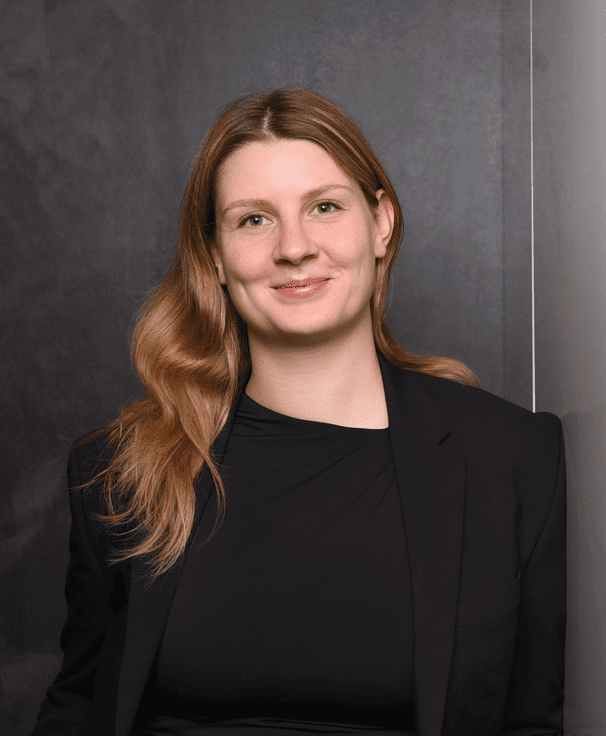
Mit Lena-Carlotta Hartlieb, Kriminologin und Sicherheitsberaterin, spezialisiert auf OSINT-Analysen, spreche ich heute über genau diesen Druck. Sie zeigt klare Strategien auf, die helfen zwischen digitaler Sichtbarkeit und Schutz der Privatsphäre zu navigieren.
Mit jedem Post in den sozialen Medien machen wir uns etwas sichtbarer und gleichzeitig auch angreifbar. Und das betrifft nicht nur mich, sondern auch Menschen in meinem privaten Umfeld. Warum sollten wir wissen, wie sichtbar wir digital sind?
Gerade im digitalen Raum geht es weniger darum, ob Daten verwaltet werden, sondern darum, wer die Verantwortung dafür trägt. Wenn ich mich nicht selbst darum kümmere, tut es jemand anderes. Absolute Sicherheit ist dabei unrealistisch, weil man nie alle Daten vollständig kontrollieren kann.
Deshalb sollte der Fokus nicht auf perfektem Schutz liegen, sondern darauf, Unsicherheiten bewusst zu managen: zu wissen, was über mich öffentlich ist, und vorbereitet zu sein, falls diese Informationen genutzt werden.
Du hast dich im Vorfeld dieses Gesprächs mit meiner öffentlichen digitalen Präsenz beschäftigt, und dabei gab es für mich einige Aha-Momente. Darauf können wir später noch genauer eingehen, aber um den Kontext zu setzen: Wenn Daten über mich im digitalen Raum gesammelt und analysiert werden, geschieht das mit frei zugänglichen Methoden und Werkzeugen; also nicht durch Hacking, sondern mit Mitteln, die grundsätzlich jede/r nutzen könnte, richtig?
Zunächst muss man sagen, dass der digitale Raum grundsätzlich nicht auf Privatheit, sondern auf Öffentlichkeit und Sichtbarkeit ausgelegt ist. Das heißt, dass selbst wenn man Dienste so datenschutzfreundlich (und nutzer:innenfreundlich) wie möglich einstellt, bleiben sie darauf ausgelegt, uns zu zeigen und zu positionieren. Das sollte man sich immer bewusst machen.
Neben dieser Tatsache ist die größte Angriffsfläche dann aber ganz klar der fahrlässige Umgang mit den eigenen Daten. Viele Menschen geben unbewusst oder unabsichtlich private Daten in sozialen Netzwerken preis und begeben sich so in Risikobereiche, ohne, dass jemand überhaupt aktiv angreifen oder besondere technische Mittel einsetzen müsste. Oft braucht es weder spezielles Hacking noch außergewöhnliche Skills, weil viele Informationen ohnehin leicht zugänglich sind und die Werkzeuge dafür relativ einfach zu bekommen oder zu erlernen sind.
Nun haben wir ja im Vorfeld ein kleines Experiment gemacht und du hast deine Analysewerkzeuge und -Methoden auf mich angewandt. Ich fand es spannend zu verstehen, wie ich sowohl als Privatperson aber auch im Zusammenhang mit leadarise im digitalen Raum stehe und welche Spuren ich bereits im Netz hinterlassen habe. Kurzum, das Ergebnis fand ich in Teilen äußerst "spooky", denn was mir nicht bewusst war, dass sehr altes Bild- oder Videomaterial von mir vor allem in Kombination mit aktuellen ein deutliches Bild zeichnet.
Also, ich glaube, man darf nicht vergessen, der digitale Raum ist nicht nur wahnsinnig groß und man kann so leicht den Überblick verlieren, es werden Daten oder Datenfragmente aber auch grundsätzlich immer gespeichert, so dass es leider auch recht einfach ist Daten zu sammeln und auszuwerten.
Was den digitalen Raum so unübersichtlich macht, ist weniger seine Ausdehnung als die Tatsache, dass Daten bleiben, auch wenn wir sie längst vergessen haben. Da nichts von allein verschwindet, muss ich mich aktiv darum bemühen, dass Daten von und über mich gelöscht werden.
Auch wenn es vermeintlich gängige Praxis ist zu glauben, dass Daten in der großen Menge untergehen. Aber es wird immer wieder Menschen geben wird, die gezielt danach suchen.
Dann stelle ich eben all meine Accounts und Profile auf privat.
Selbst das sagt mir als böswilliger Angreifer etwas. Nämlich, dass diese Person ihre Privatsphäre sehr schätzt. Selbst das ist also eine verwertbare Information.
Damit wir das Risiko besser greifen können, mach doch bitte mal ein ganz konkretes Praxisbeispiel.
Ein gutes Beispiel dafür ist der Google-Account, der extrem praktisch ist, weil er viele Dienste miteinander verbindet — vom E-Mail-Postfach bis hin zur Anmeldung bei zahlreichen anderen Plattformen. Diese Bequemlichkeit spart Zeit und vereinfacht den Alltag, führt aber auch dazu, dass sehr viele Informationen an einem zentralen Punkt zusammenlaufen.
Selbst scheinbar harmlose Aktivitäten, wie eine gut gemeinte Café-Rezension, sind mit diesem Account verknüpft und liefern kontextuelle Hinweise über Aufenthaltsorte, Gewohnheiten und soziale Situationen.
Jetzt möchte in der Regel niemand, dass im Internet die private Wohnadresse publik wird. Sobald jemand allerdings die Google-Adresse hat, kann ich über bestimmte Dienstleister herausfinden, welche Konten mit dieser Google-Adresse verknüpft sind.
Ist der Google-Kalender zum Beispiel öffentlich? Kann ich also eingetragene Termine sehen? (Das kommt öfter vor, als man glaubt!)
Auch ohne den eigenen Namen oder die Wohnadresse öffentlich zu machen, lassen sich durch wiederkehrende Orte, Zeitangaben („mein erster Kaffee am morgen“) oder Formulierungen („nur 5 Gehminuten und schon bester Matcha in Town.“) Rückschlüsse auf den ungefähren Wohnraum ziehen.
Gerät ein solcher Account durch ein Datenleck oder aktives Suchen in falsche Hände, sind nicht nur E-Mails betroffen, sondern ein ganzes Nutzungsprofil — von Interessen über Bewegungsmuster bis hin zu familiären Strukturen. Viele dieser Daten entstehen unbewusst im Alltag, sind aber für böswillige Akteure durchaus nutzbar.
Nun bin ich gar nicht immer der Ursprung von Informationen über mich. Was meinst du zum Beispiel zu Fotos von dir selbst auf einer Veranstaltung? Wie schnell taucht man im Post eines anderen Menschen (ungefragt) auf.
Man muss klar zwischen dem öffentlich-beruflichen Raum und dem privaten Raum unterscheiden. Der öffentlich-berufliche Bereich lässt sich deutlich besser steuern, weil Sichtbarkeit hier oft gewollt und sogar hilfreich ist — etwa in einer semi-öffentlichen Rolle wie einer Geschäftsführerin. Sichtbarkeit bedeutet dabei nicht automatisch Unsicherheit. Entscheidend ist, wie gut man informiert ist und wie bewusst man mit dieser Sichtbarkeit umgeht. Je besser der eigene Überblick, desto besser lassen sich die daraus entstehenden Risiken managen.
Dazu gehört, regelmäßig zu prüfen, wo man auftritt, wo Inhalte weiterverbreitet werden, in welchem Kontext sie erscheinen und wie sie aufgenommen werden. Das kann über einfache Mittel wie Namensbenachrichtigungen, aber auch über professionelle Analysen durch externe Dienstleister erfolgen. Da die Orte, an denen man digital auftaucht, von beruflichen Social-Media-Posts bis hin zu Diskussionsforen, sehr vielfältig sind, wird es schnell riskant, sich nicht aktiv mit der eigenen digitalen Präsenz auseinanderzusetzen.
Und bezüglich der eigenen Posts auf Social Media: Auch hier entscheide ich, wie präzise ich Informationen teile. Denn man kann auch sowas wie ein graues Rauschen erzeugen. Heißt, ich kann Informationen über mich rausgeben, ohne tatsächlich Informationen über mich rauszugeben.
Das heißt, ich kann teilen, dass ich gern eine Runde spazieren gehe, wenn ich einen Blockade habe und muss keineswegs so genau sein und sagen, dass das im angrenzenden Odenwald geschieht. Damit steuere ich meine Sichtbarkeit und manage gleichzeitig meine digitale Sicherheit.
Und im privaten Raum?
Der private Raum ist schwieriger zu managen, weil gerade das soziale Nahfeld nie vermutet, dass jemand böswillig Daten abfließen lässt. Man möchte das auch niemandem unterstellen.
Und gleichzeitig spielen sich dort aber wahrscheinlich die sensibelsten Datenpunkte ab. Das heißt, ich kann zum Beispiel familienintern eine ganz klare Strategie entwickeln, wie treten wir als Familie im digitalen Raum auf. Welche Inhalte teilen wir? Welche Dienste nutzen wir?
Auch wenn Daten vermeintlich nur kurzzeitig im Internet sind (z.B. über den sog. Status einiger Apps), so können sie dennoch gespeichert werden. Ich sollte also ganz genau wissen, womit ich mich wohl fühle. Und wenn es für mich nicht in Ordnung ist, dass mein Gesicht im Internet landet, dann muss ich das so auch kommunizieren können. Und das wiederum müssen Menschen in meinem sozialen Nahfeld auch respektieren.
Es gibt Services, die einem anzeigen, wo man überall angemeldet ist und das sollte man regelmäßig überprüfen und aktive Datenhygiene betreiben.
Im Sinne: Was man nicht (mehr) nutzt, wird gelöscht.
In unserem kleinen Vorabexperiment, hast du mir aufgezeit, dass ein über 10 Jahre zurückliegendes Ehrenamt sowohl meine E-Mail-Adresse als auch damalige Mobiltelefonnummer noch immer im Mitgliederregister öffentlich führt. Ich bin schlicht nicht davon ausgegangen, dass ich mich aktiv darum kümmern muss, dass diese auch wieder gelöscht werden. Welche konkrete Strategie empfiehlst du, die jeder schnell umsetzen kann um sich sicher im öffentlich digitalen Raum zu bewegen?
Grundsätzlich sollte man sich immer erst mal fragen, welche Daten sind für mich so wichtig, dass ich sie privat halten möchte und mit welchen Daten bin ich einverstanden, dass sie im Internet landen? Dann heißt es sich hinsetzen und auf ein Blatt Papier schreiben: „Wo habe ich überall Accounts?“
Lass mich raten, das schaffen schon die wenigsten.
Nunja, wenn ich die Menschen frage, dann antworten sie meist, dass sie 5 bis 10 Accounts haben. In der Regel sind es tatsächlich über 30.
Oft werden Anwendungen über Jahre nicht genutzt, aber die Daten werden noch immer gehalten. Also heißt es alle Services/ Dienstleistungen/ Apps durchgehen – auch die inaktiven und Datenschutzeinstellungen prüfen.
Was heißt das ganz konkret?
Ich versuche mir zunächst einen realistischen Überblick zu schaffen, wo meine Daten überhaupt gespeichert sind. Dann schaue ich mir an, welche Daten hinterlegt sind (z.B. Nutzernamen, Passwörter oder persönliche Daten wie Geburtsdatum, Adresse etc.).
Bei sozialen Netzwerken muss ich dann zusätzlich in die Grundeinstellungen schauen und überprüfen, welche Privatsphäre-Einstellungen meine Daten möglichst gut schützen, z.B. die Sichtbarkeit meines Profils und/oder meiner Nutzerinformationen sowie die Kontaktaufnahme durch fremde Personen so gut wie möglich einschränken.
Und das Ganze sollte regelmäßig wiederholt werden, da sich solche Einstellungen gern beim nächsten Software-Update zurücksetzen.
Aktives Datenmanagement heißt also regelmäßig bewusst und kritisch auf die von mir verwendeten Dienste zu schauen.
Ganz genau.
Ich selbst möchte mich maximal davor schützen zu viel Privates von mir preiszugeben, wobei die Dienste im Sinne der maximalen Vernetzung handeln. Das können sehr gegensätzliche Interessen sein.
Eine letzte Frage: Woraus ziehst du Zuversicht, dass sich unsere Welt bzgl. des digitalen Raumes wieder auf mehr persönliche Sicherheit zubewegt?
Das muss ich zweigeteilt beantworten.
Erstens glaube ich sind wir rechtlich auf einem positiven Weg, dass sich der digitale Raum sicherer gestaltet. Nicht in ausreichender Geschwindigkeit, aber auf einem guten Weg.
Zweitens sind es die Jugendlichen, die mit einer neuen Form der Digitalität aufwachsen und so zum Beispiel sehr natürlich wahrnehmen, welche Videos KI-generiert und welche wirklich echt sind. Da können Eltern und Großeltern von ihren Kindern und Enkeln tatsächlich eine Menge lernen. Daher macht mir die Arbeit mit Kindern und Jugendlichen in Bezug auf digitale Medien so viel Freude. Viele Begriffe muss man da nicht mehr erläutern und die aktuelle Generation hat durchaus gelernt den digitalen Medien gegenüber kritisch zu sein. Deutlich kritischer als manch Erwachsener.